Recurrent Bronchiolitis / Bronchitis
Recurrent bronchitis and bronchiolitis are repeated episodes of inflammation of the small airways that cause cough, wheezing and difficulty breathing.
They occur mainly in infants and young children following viral infections and usually do not indicate an underlying pathological condition. Early evaluation and proper management reduce the severity of episodes and protect the child's respiratory development.
Symptoms:
The most common symptoms that appear during recurrences are:
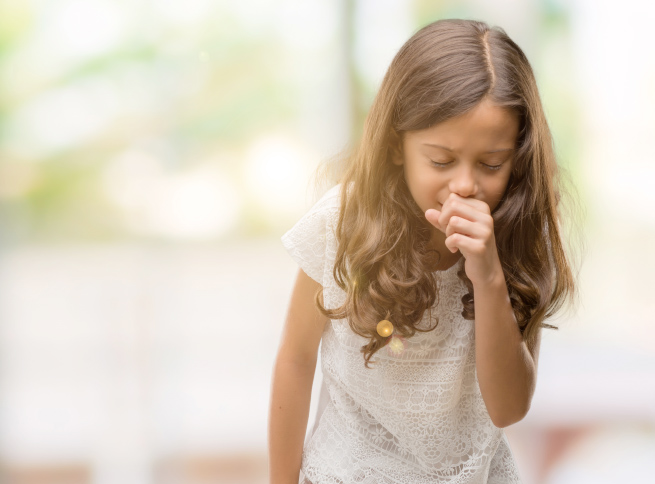
- persistent cough, often worse at night
- wheezing / whistling on expiration
- rapid breathing or difficulty breathing
- feeding difficulty and fatigue (in infants)
- sleep disturbance
- reduced physical activity / exercise tolerance
- episodes often start after a cold and may recur within the same winter.
Why do these episodes recur:
The symptoms are usually the result of airway narrowing in children, caused by inflammation and mucosal oedema of the respiratory system, the small calibre of the airways, the presence of mucus and bronchospasm.
Common factors predisposing to recurrences:
- repeated viral respiratory infections
- sensitivity of the small airways in infants
- history of prematurity or neonatal respiratory problems
- exposure to passive smoking or irritant pollutants
- allergic predisposition or family history of asthma
- close contact in the school environment.
Evaluation of these factors helps create an individualised prevention and treatment plan. We should not forget that underlying conditions may coexist, e.g. asthma, for which appropriate treatment helps significantly reduce the frequency and severity of bronchiolitis/bronchitis episodes.
Diagnosis:
Diagnosis will be based on:
- detailed personal and family history (frequency, severity, duration of episodes, symptom-free intervals, triggers, etc.)
- clinical examination and lung auscultation
- lung function tests in older children, e.g. spirometry
- selective laboratory or imaging investigations when needed
The diagnosis aims to exclude other causes (e.g. anatomical airway problems, underlying disease, etc.).
Treatment:
Treatment includes:
- mild symptoms: supportive care
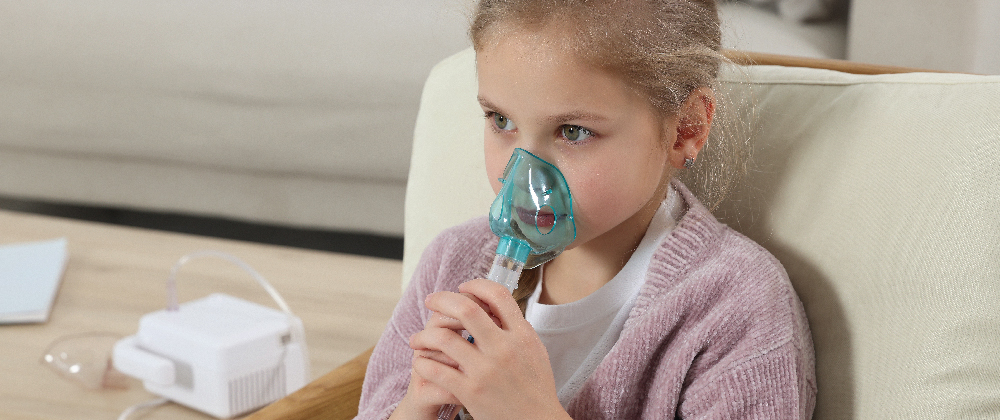
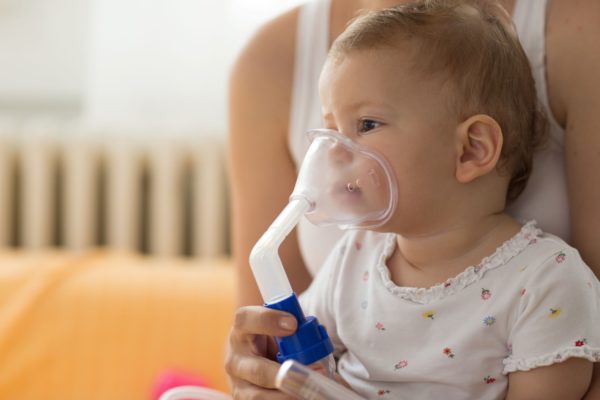
- acute management: inhaled / nebulised bronchodilators / corticosteroids for relief of wheezing and breathlessness
- prevention: vaccinations (where indicated), avoidance of smoking in the home, control of allergen exposure
- long-term management: inhaled anti-inflammatory medications in selected cases when deemed necessary by a specialist
- Parent / patient education: correct technique for using inhaler devices (spacer, mask), early recognition of deterioration and an action plan for exacerbations.
When to see a paediatric pulmonologist:
Book an appointment with a paediatric pulmonologist if:
- episodes recur more than 3–4 times in one season
- the child repeatedly needs medication or hospitalisations
- cough/wheezing does not resolve between infections
Specialist evaluation can reveal underlying factors and propose a follow-up programme.