
Exercise-Induced Breathlessness
Exercise-induced breathlessness is a symptom many parents observe: the child pants, coughs or wheezes when running or playing. It is often justified — especially after very intense exercise — but when breathlessness occurs easily, early during exercise, or is accompanied by cough / wheezing / constrictive chest pain, evaluation is needed.
Key difference: normal fatigue vs pathological breathlessness
Remember that after intense play it is normal for a child to be out of breath. We become concerned when:
- breathlessness starts before the child has "warmed up"
- the child needs many minutes to recover
- there is wheezing, cough or chest pain
- the child avoids exercise out of fear.
Causes:
The most common causes associated with exercise-induced breathlessness:
- exercise-induced bronchoconstriction (exercise-triggered asthma)
- vocal cord dysfunction, often presenting with inspiratory breathlessness and without changes on spirometry
- poor physical fitness / fatigue, especially in sedentary children
- nasal congestion / allergic rhinitis affecting nasal breathing
- More rarely: cardiac problems, anaemia, anatomical airway problems, chronic lung disease.
Symptoms:
Symptoms that need attention:
- marked breathlessness with minimal effort
- cough during or after exercise
- wheezing or a feeling of chest tightness
- fatigue, dizziness or fainting tendency (rare, requires immediate evaluation)
- avoidance of activities / reduced tolerance compared to peers.
Diagnosis:
Diagnosis includes:
- detailed history (e.g. when, how often, duration, what triggers it)
- clinical examination and lung auscultation
- spirometry and/or bronchodilator challenge in older children
- exercise test if required
- exercise laryngoscopy when vocal cord dysfunction is suspected
- allergy testing if indicated
- cardiac evaluation if indicated
- chest X-ray if deemed appropriate
- more specialised laboratory and imaging investigations if deemed necessary
- a normal cardiac evaluation is essential.
Goal: to distinguish asthma from other causes and design targeted treatment.
Treatment:
Treatment depends on the underlying cause:
- if asthma is present: an inhaled bronchodilator (Aerolin) 10–15 minutes before exercise often helps, but only after medical assessment, on a background of preventive inhaled corticosteroid treatment appropriate for the child's age
- if allergic rhinitis is present, managing it improves breathing
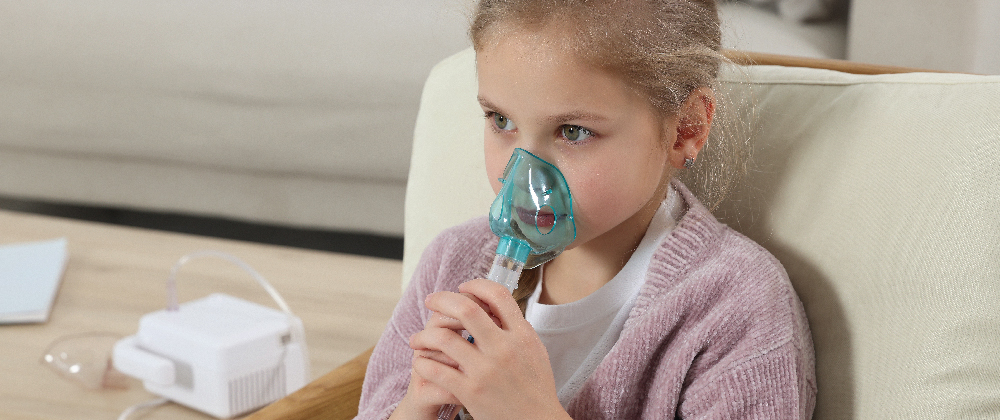
- education on correct inhaler/device technique (spacer, mask) where needed
- warm-up: a gradual increase in intensity reduces symptoms and improves fitness with an adapted programme, following paediatric pulmonology assessment and exclusion of aggravating factors.
When to see a paediatric pulmonologist:
Seek immediate medical help if there is:
- severe difficulty breathing
- cyanosis of the lips and face
- marked fatigue or fainting
- haemoptysis
Indications for specialist evaluation by a paediatric pulmonologist if:
- episodes recur frequently in one season
- the child repeatedly needs medication or hospitalisations
- breathlessness affects the child's sporting activity and causes fear in the family.
Specialist evaluation can reveal underlying aggravating factors and propose a follow-up programme.