
Bronchiectasis in Children
Bronchiectasis in children is a near-permanent, abnormal dilatation of the airways (bronchi) accompanied by trapping of secretions and a predisposition to recurrent infections. In children it can appear at any age and has various causes. Early diagnosis and proper follow-up reduce recurrences and improve quality of life.
Pathology:
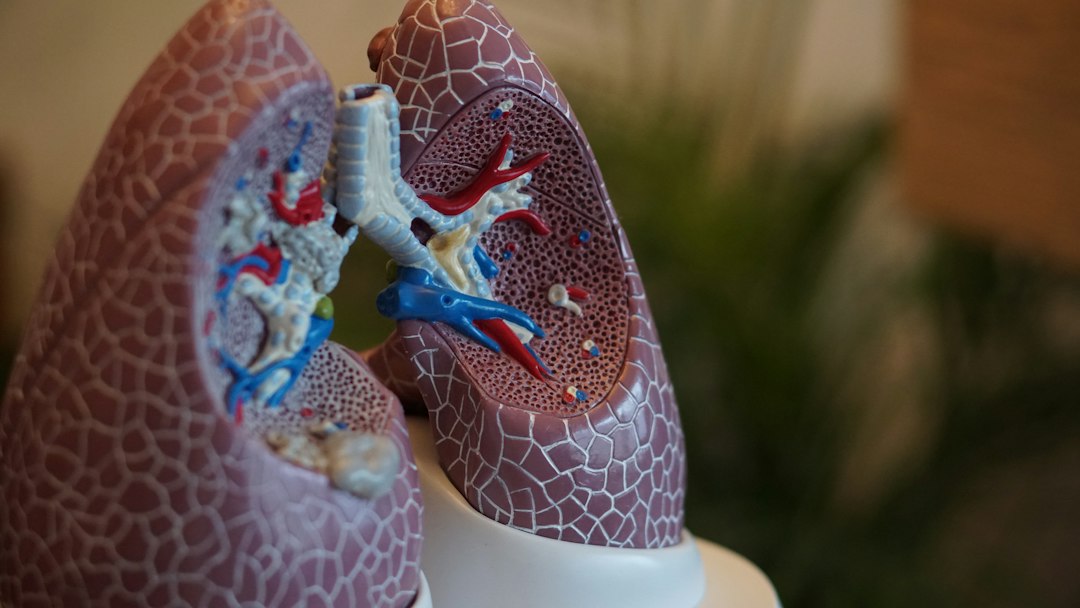
Bronchiectasis is structural damage to the bronchi: the airways widen and can no longer adequately clear secretions. This creates a "cycle" of inflammation, with more secretions, more frequent infections and further damage.
Symptoms:
The most common symptoms in children or adolescents with bronchiectasis are:
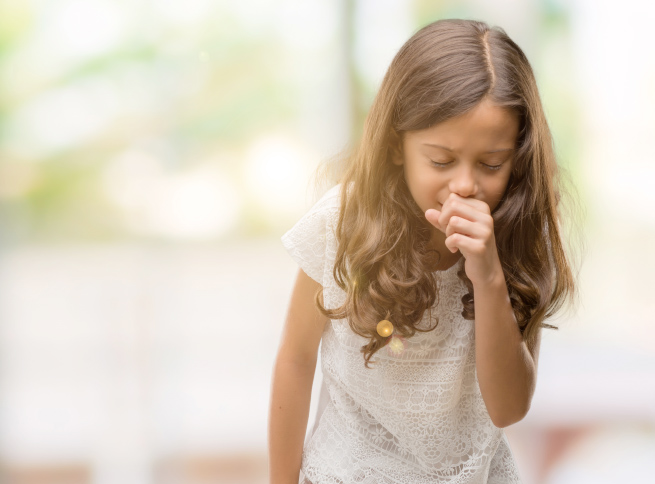
- chronic productive cough with sputum or thick secretions
- recurrent pneumonias / bronchitis episodes
- episodes of breathlessness or reduced activity tolerance
- rarely, haemoptysis in severe cases
Parents often report that the child has "a continuous cough that won't go away".
Causes:
Some of the most common causes of bronchiectasis in children and adolescents are:
- post-infectious damage (e.g. following severe respiratory infections or aspiration)
- anatomical anomalies or persistent obstruction / aspiration
- genetic / systemic diseases, e.g. ciliopathies (cystic fibrosis, primary ciliary dyskinesia), alpha-1 antitrypsin deficiency, etc.
- immunodeficiencies, autoimmune or chronic inflammatory diseases
- allergic bronchopulmonary aspergillosis and others.
Diagnosis:
Diagnosis is based on:
- detailed medical history and clinical examination
- high-resolution computed tomography (HRCT), the "gold standard" for confirming bronchiectasis
- laboratory investigation: sputum / nasopharyngeal swab cultures, cystic fibrosis testing (sweat test / genetic testing), immunological and allergy testing, etc.
- pulmonary function tests (e.g. spirometry) when feasible, important for monitoring
- Bronchoscopy and bronchoalveolar lavage (BAL).
The goal is to identify the cause, document the extent of the lesions and design a long-term follow-up programme.
Treatment:
Treatment aims to reduce recurrences, control inflammation and improve secretion clearance, with:
- targeted antibiotics for each episode where required — ideally guided by sputum / BAL culture results
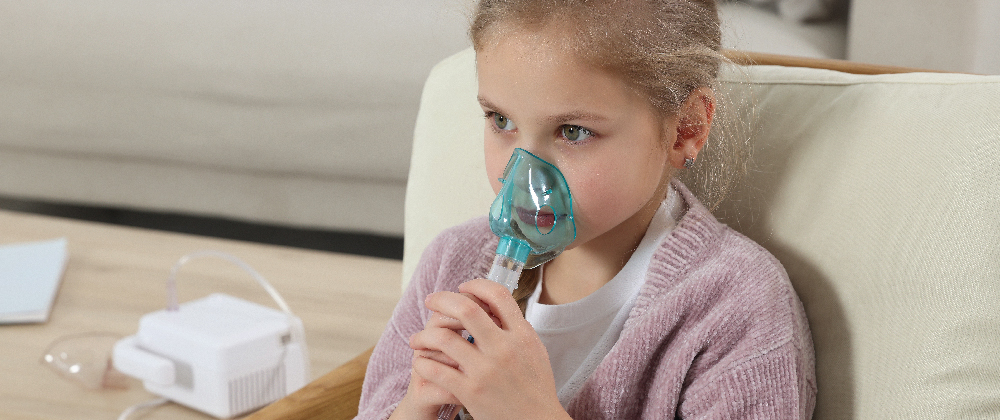
- mucolytics and secretion clearance techniques: respiratory physiotherapy, oscillatory / vibration devices
- inhaled / nebulised bronchodilators and/or inhaled / nebulised corticosteroids in selected cases
- long-term / prophylactic antibiotic strategies in selected patients, as decided by a specialist
- surgical resection of an affected area in localised, refractory lesions (rare)
- regular vaccination (annual influenza vaccine), revaccination if needed against pneumococcus or Haemophilus influenzae (in cases of poor antibody response and appropriate age) and avoidance of passive smoking.
When to see a paediatric pulmonologist:
If the child has persistent productive cough, recurrent pneumonias, or a history of cystic fibrosis / immunodeficiency / aspiration, etc., specialist evaluation is essential for diagnosis, an individual treatment plan and long-term follow-up.