Pneumonia
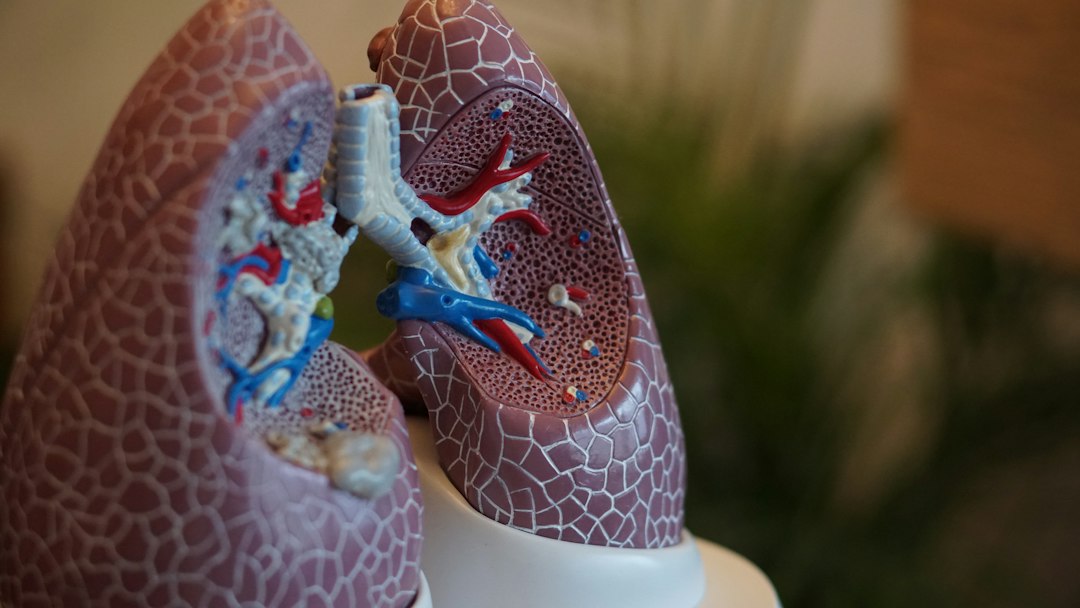
Pneumonia in children is an infection of the lung tissue caused by viruses or bacteria. It is relatively common in childhood, but with early diagnosis and appropriate treatment most children recover fully.
Symptoms:
The most common signs that parents recognise:
- fever (often high or prolonged)
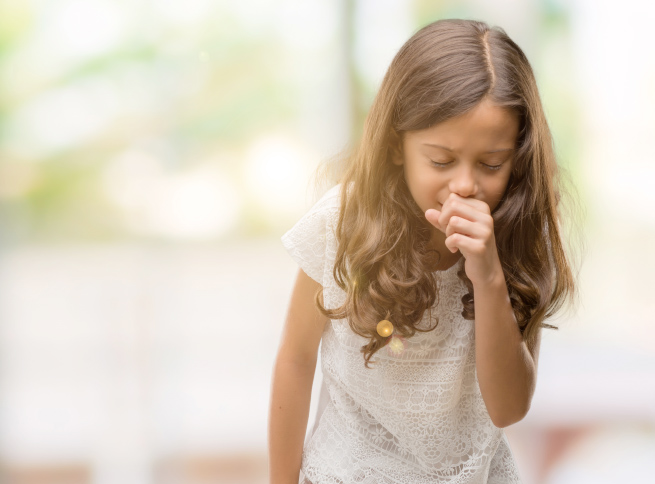
- persistent cough or worsening of cough
- rapid breathing / difficulty breathing (in infants it may appear more pronounced)
- decreased appetite, fatigue, lethargy
- chest or abdominal pain
- vomiting or feeding difficulty in infants.
Diagnosis:
Diagnosis is based on:
- complete medical history and clinical examination
- chest X-ray when needed
- laboratory tests (blood count, molecular assays) in selected cases
- Distinguishing between viral and bacterial pneumonia is critical for choosing the right treatment.
Treatment:
Treatment includes:
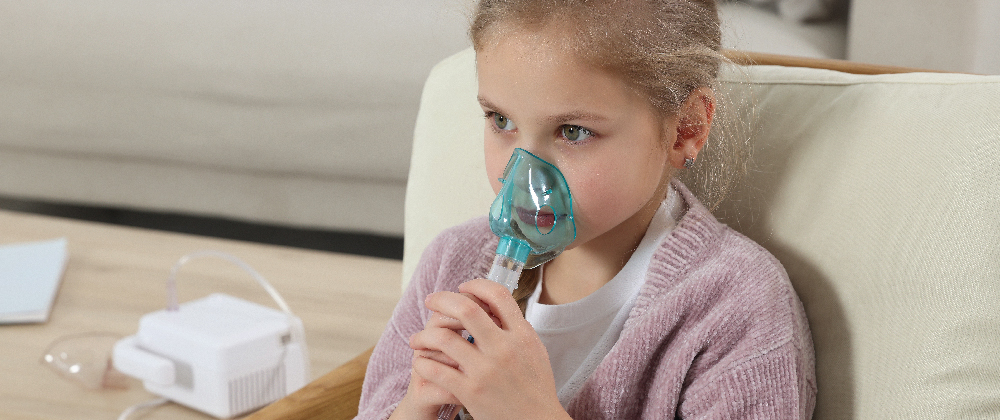
- Viral pneumonia: supportive care (secretion clearance, rest, antipyretics) and monitoring
- Bacterial pneumonia: targeted antibiotic therapy according to age and clinical presentation
- In severe or complicated cases, hospitalisation or additional therapies may be required
- The majority of children respond fully with appropriate treatment.
When to seek immediate medical help
Visit a paediatrician or paediatric pulmonologist if the following appear:
- persistent paroxysmal cough
- marked difficulty breathing or rapid breathing
- very high or prolonged fever
- severe drowsiness, reduced responsiveness or feeding difficulty
- signs of dehydration (reduced urine output, dry lips).
When to see a paediatric pulmonologist:
Specialist evaluation may be needed for infants or children with:
- persistent symptoms that cannot be managed by the paediatrician
- a complicated history, such as prematurity, bronchopulmonary dysplasia, recurrent respiratory infections, severe asthma, etc.
- Complex or recurrent pneumonias requiring further investigation (e.g. immunological evaluation, sweat test, chest CT, bronchoscopy, etc.).