Bronchial Asthma
Asthma in children is a chronic inflammatory disease of the airways that manifests with recurrent episodes of coughing, breathlessness and wheezing. It is one of the most common chronic conditions of childhood, affecting approximately 10% of the Greek paediatric and adolescent population. Early diagnosis and individualised follow-up by a paediatric pulmonologist allow most children to live completely normal lives — school, play and sport — without restrictions.
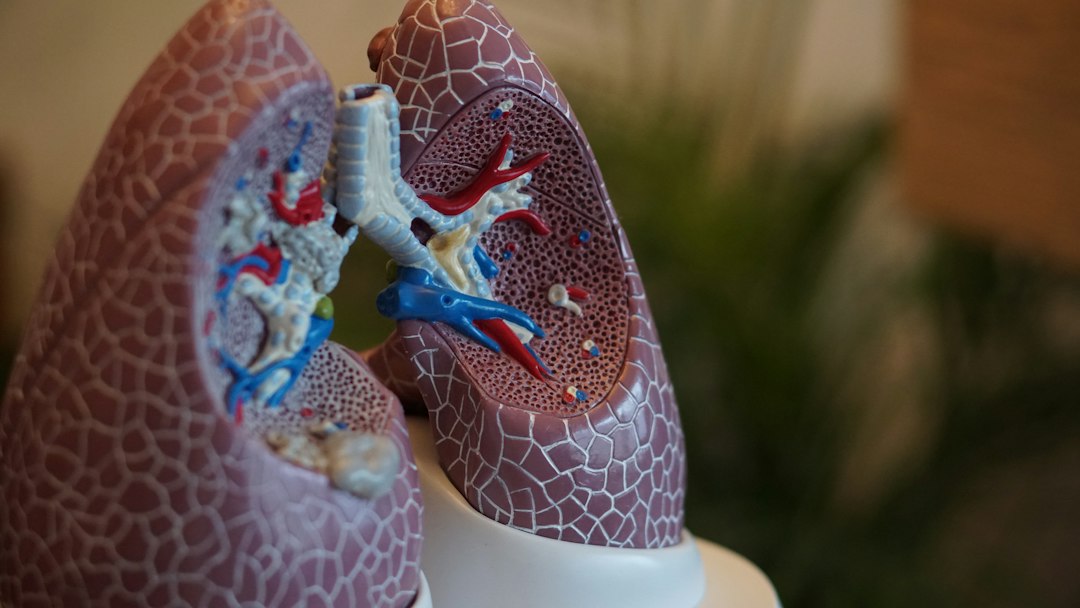
What happens in the airways:
In asthma the airways are hypersensitive and become inflamed easily. When triggered, the following occur:
- mucosal oedema
- increased mucus production
- bronchial obstruction.
These changes restrict breathing and lead to exacerbations, especially after viral infections, exercise, exposure to allergens, or changes in weather or humidity levels.
Symptoms:
The most common symptoms of asthma are:
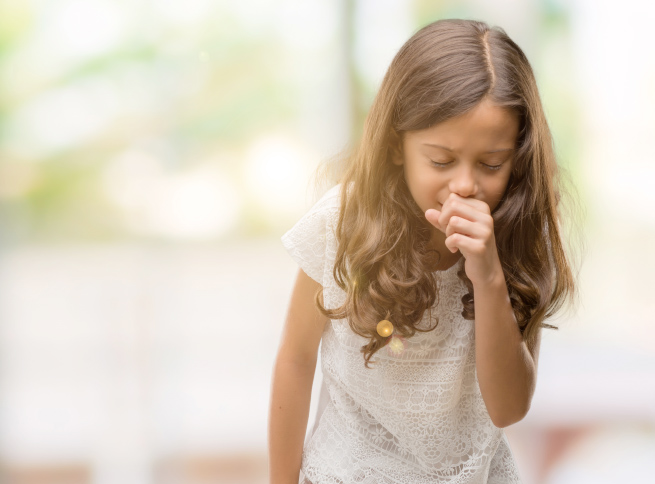
- Recurrent / persistent cough or night-time cough
- Wheezing (audible whistling sound)
- Breathlessness, panting or a feeling of tightness / heaviness / pain in the chest
- Reduced tolerance to play / exercise
- In some children, cough is the only symptom.
Triggers:
Factors that can provoke an asthma flare or onset include:
- Viral infections
- Pollen
- Dust
- Humidity
- Animals
- Trees, plants
- Cigarette smoke, vaping
- Air pollution
Diagnosis:
An accurate diagnosis requires an individualised approach, taking into account:
- Personal and family history (usually positive for allergies such as atopic dermatitis, allergic rhinitis / conjunctivitis, asthma)
- Spirometry (for children over 4 years of age)
- Allergy testing
- Possibly additional blood and imaging investigations.
Treatment and management:
Management is individualised, aiming to reduce inflammation, and includes:
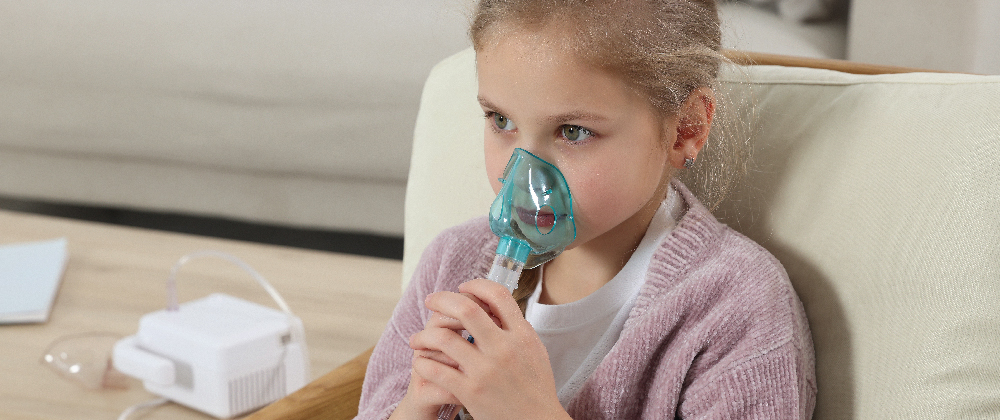
- Inhaled or nebulised bronchodilators for immediate relief (relievers) and corticosteroid medications for disease control (controllers)
- An action plan for exacerbations
- Identification and avoidance of triggers (e.g. dust mites, pollen, smoke, humidity, infections)
- Education of the child and parents on correct use of inhaler devices
- Regular follow-up by a paediatric pulmonologist in collaboration with the paediatrician.
When to see a paediatric pulmonologist:
Contact a paediatric pulmonologist if your child has frequent cough, wheezing, panting or reduced exercise tolerance — especially when symptoms affect sleep or activity.
Specialist evaluation and an individualised treatment plan significantly improve quality of life. If asthma remains untreated it can greatly impair the daily life of the patient and their family. Education of the patient and family by a specialist is also important.