Allergic Rhinitis
Allergic rhinitis in children is common and often underestimated. It causes bothersome symptoms that affect sleep, concentration and the child's daily life. With correct diagnosis and individualised management, episodes can be effectively controlled.
What is allergic rhinitis:
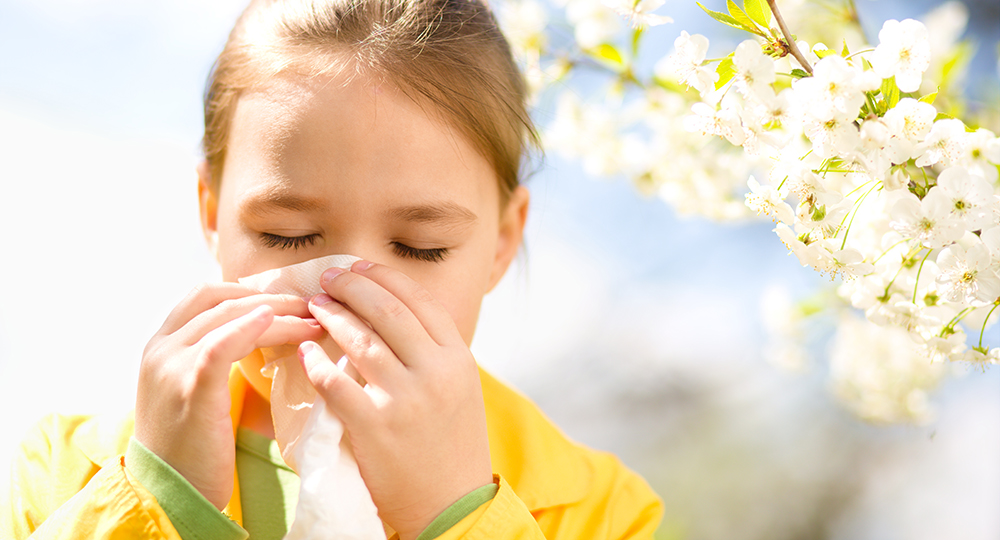
It is inflammation of the nasal mucosa due to hypersensitivity to allergens (pollen, house dust mites, animal dander, mould, etc.). It can be seasonal (e.g. pollen) or perennial (usually dust mites, pets, etc.).
Symptoms:
The most common symptoms that children with allergic rhinitis present are:
- constant sneezing and clear nasal discharge, mouth breathing
- nasal congestion (blocked nose), difficulty breathing through the nose
- itching of the nose, eyes or throat
- fatigue, sleep disturbance, night-time cough
- frequent rubbing of the nose ("allergic salute") and red eyes.
How the diagnosis is made:
Diagnosis is based on:
- detailed personal and family history (description of symptoms, seasonality, exposure to triggers, etc.)
- clinical examination
- allergy testing when needed
Distinguishing from infections or respiratory conditions (e.g. asthma) is critical.
Treatment:
Treatment includes the following:
- Reducing exposure to allergens: frequent washing of bed linen, frequent cleaning of dusty surfaces and carpets, removal of soft toys, avoidance of passive smoking, humidity control.
- Symptomatic therapy: antihistamines and nasal corticosteroid sprays are usually first-line.
- Nasal saline rinses for decongestion and nasal clearance.
- Immunotherapy (desensitisation): an option in cases of severe or persistent allergy — in collaboration with a paediatric allergist.
- Follow-up: evaluation of sleep, school performance and possible coexistence of asthma.
When to see a paediatric pulmonologist:
Seek specialist medical advice if: symptoms last for weeks, affect sleep or school, or there is persistent cough, especially when individualised treatment or immunotherapy is needed.