Obstructive Sleep Apnoea
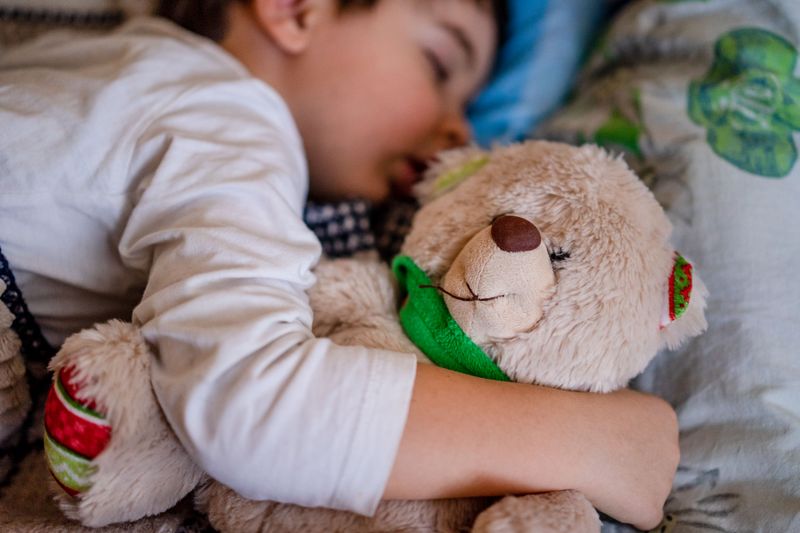
Obstructive sleep apnoea in children causes pauses in breathing during sleep (apnoeas), along with other symptoms, with immediate or long-term effects on behaviour, sleep and development. Early recognition, correct diagnosis and individualised treatment reduce long-term complications and improve the quality of life and sleep for the child and family.
Symptoms:
The main symptoms of obstructive sleep apnoea in children and adolescents are:
- persistent, loud snoring (almost every night)
- apnoeas, i.e. pauses in breathing during sleep
- mouth breathing, night sweats and enuresis, restless sleep
- daytime symptoms: sleepiness/fatigue, concentration and memory problems at school, hyperactivity or behavioural changes.
Children who require immediate assessment / investigation are:
- children with significant tonsillar / adenoid hypertrophy
- children with a disturbed sleep history and problems with learning and school performance in daily life
- obese children or children with neuromuscular / craniofacial syndromes
- signs of cardiorespiratory compromise (cyanosis, growth delay).
Diagnosis:
If you notice any of the above on a persistent basis for more than a few weeks, evaluation by a paediatric pulmonologist specialising in sleep is recommended.
Diagnosis is based on the following:
- History and clinical examination. Special attention to nocturnal episodes and school behaviour.
- ENT assessment for tonsil and adenoid size.
- Overnight polysomnography (sleep study) is the "gold standard" diagnostic tool and is indicated when the history is unclear, severity is suspected, or before major treatment decisions in high-risk patients such as surgery. It is performed in a specially equipped Sleep Disorders Laboratory.
- Overnight pulse oximetry (+/- capnometry) can also be used, especially in cases of premature infants with oxygen requirements.
Treatment:
The therapeutic approach varies depending on the severity of obstruction, the child's age, and access to a specialised Sleep Disorders Laboratory. Treatment includes:
- Adenoidectomy / tonsillectomy: first-line in children with clinically significant tonsillar / adenoid hypertrophy, often leading to immediate improvement in symptoms and sleep quality. The decision is based on clinical presentation and sleep study results.
- Weight loss
- Treatment of allergic rhinitis
- Non-invasive ventilation (CPAP/BiPAP): an option for children not suitable for surgery, or with persistent moderate-to-severe obstructive apnoea after surgical intervention, or in children with genetic syndromes or neuromuscular / craniofacial conditions with corresponding sleep disturbances.
- Post-surgery: systematic reassessment, as in certain groups (e.g. obese, neuromuscular syndromes) obstructive sleep apnoea may persist or recur and additional treatments may be needed.