Chronic Cough
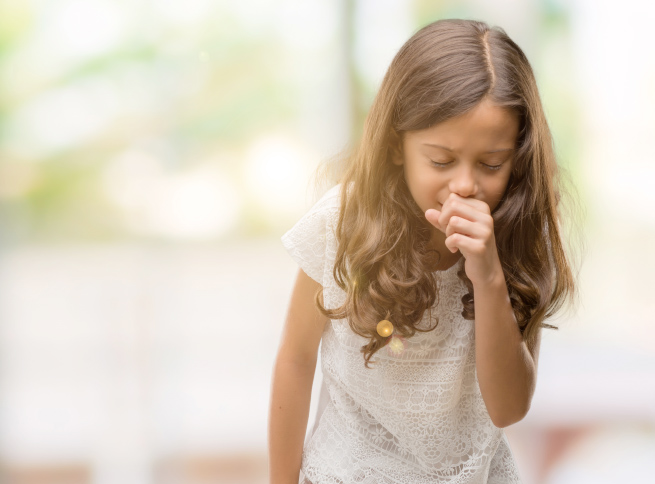
Cough is one of the most common symptoms in childhood, disrupting the daily life of the child or adolescent and their family. Cough is a normal defence mechanism that helps clear secretions, irritants and foreign bodies from the airways. However, when cough lasts longer than 4 weeks it is considered chronic and requires systematic evaluation, as it may be associated with an underlying condition.
In most cases, chronic cough in children has an identifiable and treatable cause. Correct diagnosis is crucial to avoid unnecessary medication and to provide the child with appropriate treatment, following an accurate diagnosis of the cause.
Causes of chronic cough:
The most common causes include:
- Prolonged or intermittent cough following a viral infection
- Asthma or airway hyperreactivity
- Recurrent viral or bacterial infections
- Post-nasal drip
- Protracted bacterial bronchitis
- Foreign body aspiration
- Gastro-oesophageal reflux
- Exposure to cigarette smoke, vaping, or environmental pollutants
- Rarely, underlying chronic lung diseases such as cystic fibrosis, primary ciliary dyskinesia or congenital airway anomalies.
Characteristics of chronic cough:
For proper evaluation of chronic cough, important information includes:
- duration of the cough
- time of onset
- whether the cough is dry or productive
- whether it occurs mainly at night or after exercise
- whether it is accompanied by wheezing, breathlessness, respiratory distress or fever
- whether it affects sleep, growth or the child's activity
- whether there are problems from other body systems.
These details help the paediatric pulmonologist direct the investigation towards the most likely cause.
How the evaluation is done:
Investigation of chronic cough requires a paediatric pulmonology assessment and is based on:
- detailed personal and family medical history
- clinical examination
- specialised tests when required, such as
- spirometry before and after bronchodilation
- chest X-ray or CT scan
- allergy testing
- immunological evaluation
- other specialised laboratory tests
- bronchoscopy and bronchoalveolar lavage
- collaboration with other specialties such as ENT, paediatric gastroenterologist, paediatric allergist, etc.
The goal is to identify the cause of the cough and avoid unnecessary use of antibiotics or cough suppressants, as well as unnecessary distress for the patient and their family.
Treatment:
Treatment depends on the underlying cause and may include:
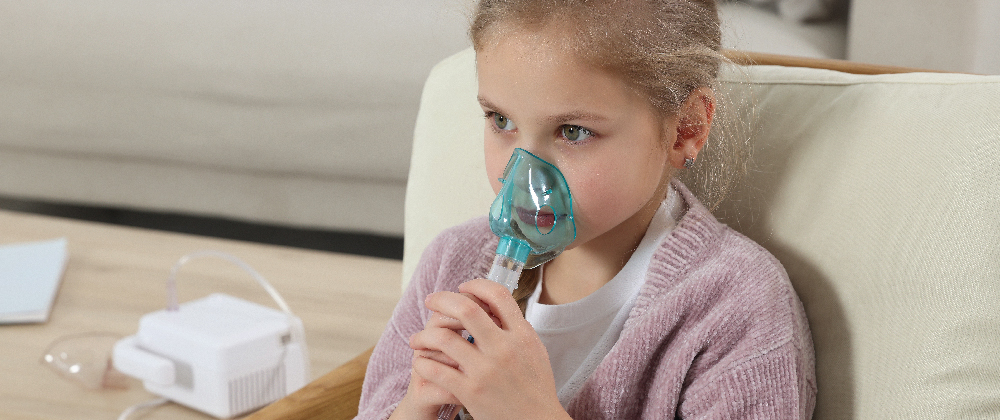
- inhaled or nebulised therapy when asthma is present
- targeted antibiotic therapy and respiratory physiotherapy for protracted bacterial bronchitis
- management of allergies or rhinitis
- measures to avoid irritant factors such as smoke, etc.
With correct diagnosis and treatment, chronic cough in most children resolves completely.
When to see a paediatric pulmonologist:
Specialist evaluation is important when:
- the cough lasts longer than 4 weeks
- there are frequent episodes of bronchitis or pneumonia
- it is accompanied by wheezing or breathlessness
- it affects the child's sleep, growth or daily life.
Early evaluation by a paediatric pulmonologist helps achieve correct diagnosis, effective treatment and avoidance of prolonged distress for the child.