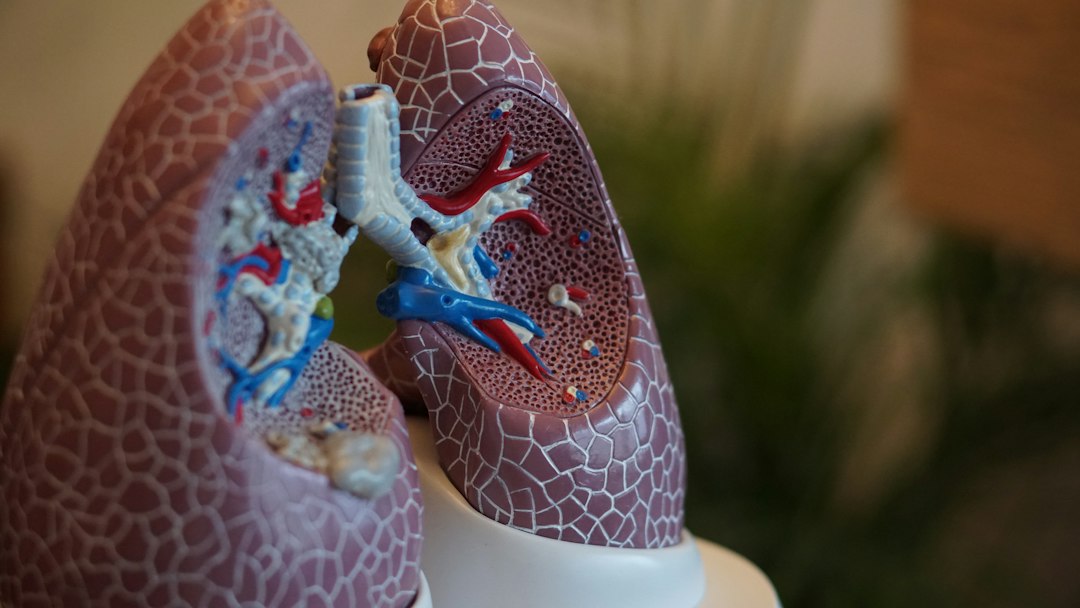

Cystic Fibrosis
Cystic Fibrosis is the most common hereditary disease in the Caucasian population. It is a multisystem disease caused by mutations in the CFTR gene, which lead to the production of abnormally thick mucus that obstructs the airways, the pancreas and other organs (the liver, the skin, the reproductive system). This mucus makes breathing difficult and promotes recurrent lung infections.
Symptoms:
Symptoms may appear from infancy, but are sometimes diagnosed later in childhood. Common signs that warrant investigation:
- persistent or chronic cough
- frequent respiratory infections or pneumonias
- wheezing or difficulty breathing
- poor weight gain and growth
- greasy or foul-smelling stools
- very salty-tasting skin.
Accumulation of thick mucus in the airways can cause chronic inflammation and lead to permanent lung damage such as bronchiectasis.
Diagnosis:
Today, many children are diagnosed early through newborn screening. Confirmation of the diagnosis is usually made with:
- the sweat test, which measures salt levels in sweat
- genetic testing for mutations in the CFTR gene
- supportive tests include pulmonary function tests.
Early diagnosis is very important because it allows immediate initiation of treatment and a better long-term prognosis.
Treatment:
Cystic Fibrosis is a chronic condition, but modern therapies are more individualised and targeted, significantly improving quality of life and life expectancy.
Management includes:
- daily respiratory physiotherapy for mucus clearance
- inhaled / nebulised bronchodilators and corticosteroid medications when required
- antibiotic therapy for infections
- specialised nutritional support
- newer targeted therapies that correct the function of the CFTR gene.
Care is provided by a specialised team including a paediatric pulmonologist, dietitian and physiotherapist.
When to see a paediatric pulmonologist:
If your child presents with frequent respiratory infections, persistent cough or difficulty gaining weight, evaluation by a paediatric pulmonologist can help achieve early diagnosis and appropriate management.
Regular specialist follow-up helps:
- promptly treat respiratory infections
- maintain the best possible lung function
- properly adjust treatment as the child grows.
With the right medical care, most children with cystic fibrosis can enjoy a good quality of life and participate normally in daily activities.