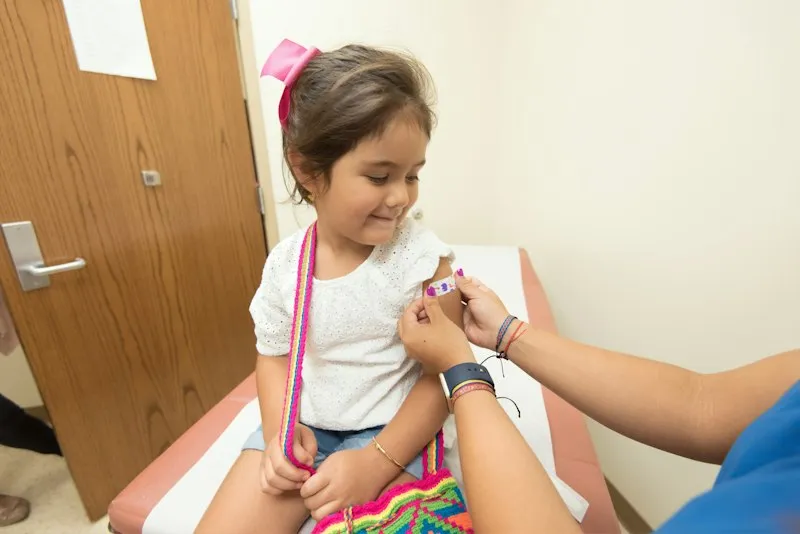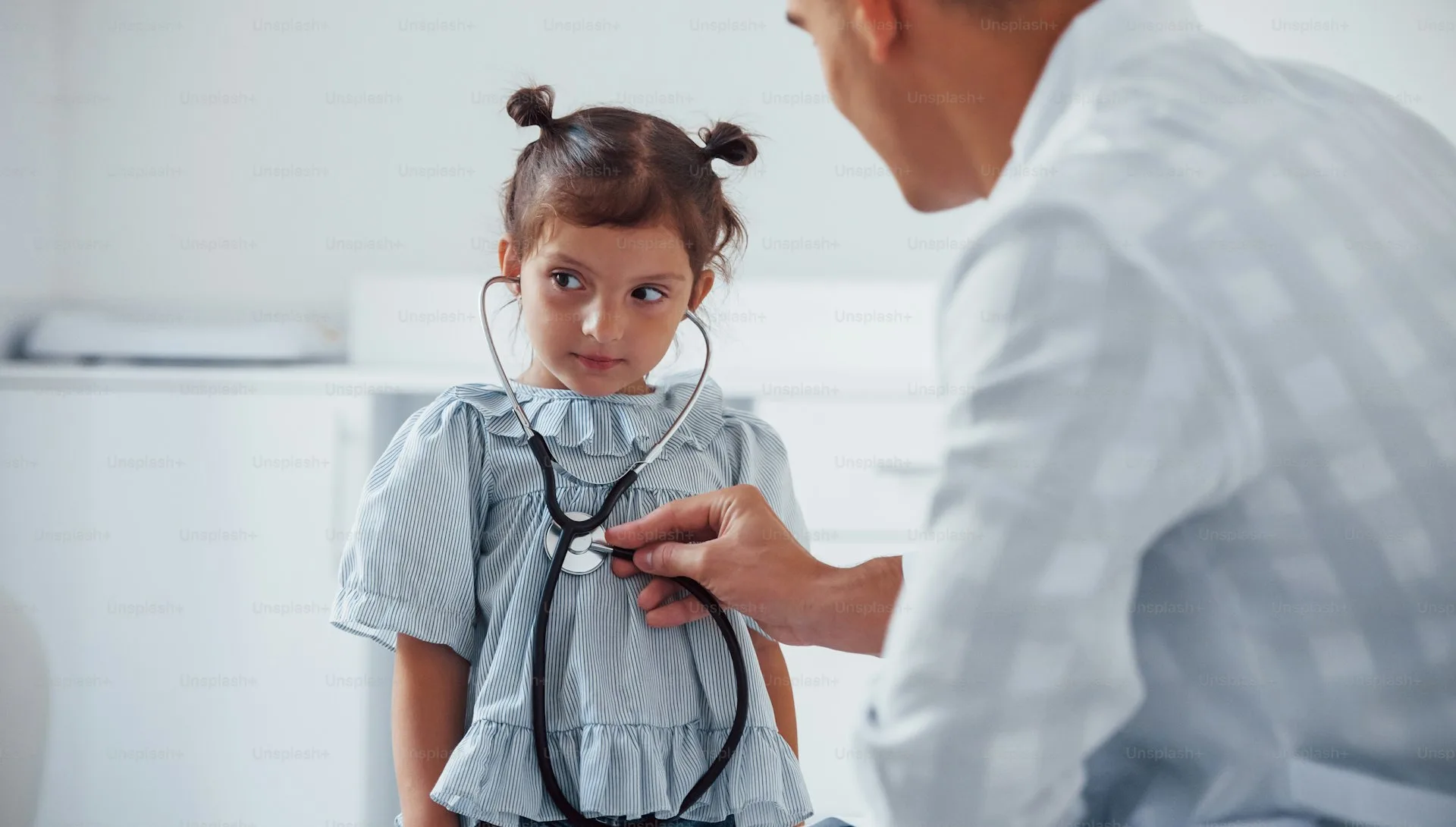
A child's health and healthy development are a fundamental priority for every parent. However, a visit to the pediatrician is not necessary only when a child is ill. Regular pediatric check-ups are a cornerstone of preventive medicine, helping monitor development, identify possible health concerns early, and prevent disease.
Why are regular pediatric check-ups important?
Even when a child appears completely healthy, a preventive examination provides valuable information about their growth, development, and overall health.
During the visit, the pediatrician:
- Monitors physical growth by assessing weight, height, and growth charts.
- Assesses psychomotor development, speech, and behavior.
- Identifies possible health concerns early, even before noticeable symptoms appear.
- Reviews vaccination coverage in line with the National Immunization Program.
- Provides advice on nutrition, sleep, physical activity, and everyday habits.
How often should a child visit the pediatrician?
The frequency of preventive check-ups depends on each child's age and individual needs.
Visits are more frequent during the first year of life because development is especially rapid. During the toddler years, the focus is on physical and developmental progress, while at school age and during adolescence at least one preventive check-up each year is usually recommended.
Children with chronic conditions or a history of prematurity may require more frequent follow-up.
The importance of respiratory health
Assessment of the respiratory system is an important part of pediatric follow-up.
A persistent cough, recurrent wheezing, breathlessness during exercise, loud snoring, or frequent respiratory infections are symptoms that should not be overlooked.
In these cases, a specialist pediatric pulmonology assessment may be needed and, depending on the child's age and symptoms, respiratory function testing such as spirometry may be recommended.
Frequently asked questions from parents
Does a child need a pediatric examination even if they rarely get ill?
Yes. Preventive visits help monitor healthy development and identify possible health concerns early.
Do all children need blood tests every year?
Not necessarily. Laboratory testing is individualized according to the child's age, medical history, and needs.
When is an examination by a pediatric pulmonologist needed?
When there are persistent or recurrent respiratory symptoms, suspected asthma, sleep-related breathing disorders, or chronic respiratory conditions.
Prevention is key to a child's health
Regular pediatric check-ups are more than a routine procedure. They are a meaningful investment in a child's health, enabling early diagnosis, appropriate guidance, and individualized care.
Prevention begins in childhood and lays the foundations for a healthy adult life.